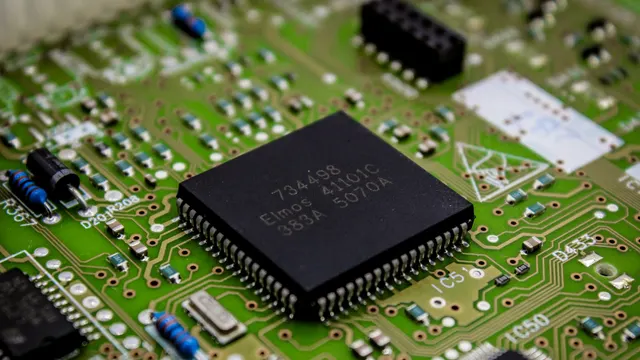
A PCB DFM checklist worth using before you release the design
Leave manufacturing questions in the design phase. Board edge, hole wall, solder mask, and panelization are the items worth confirming before a build.
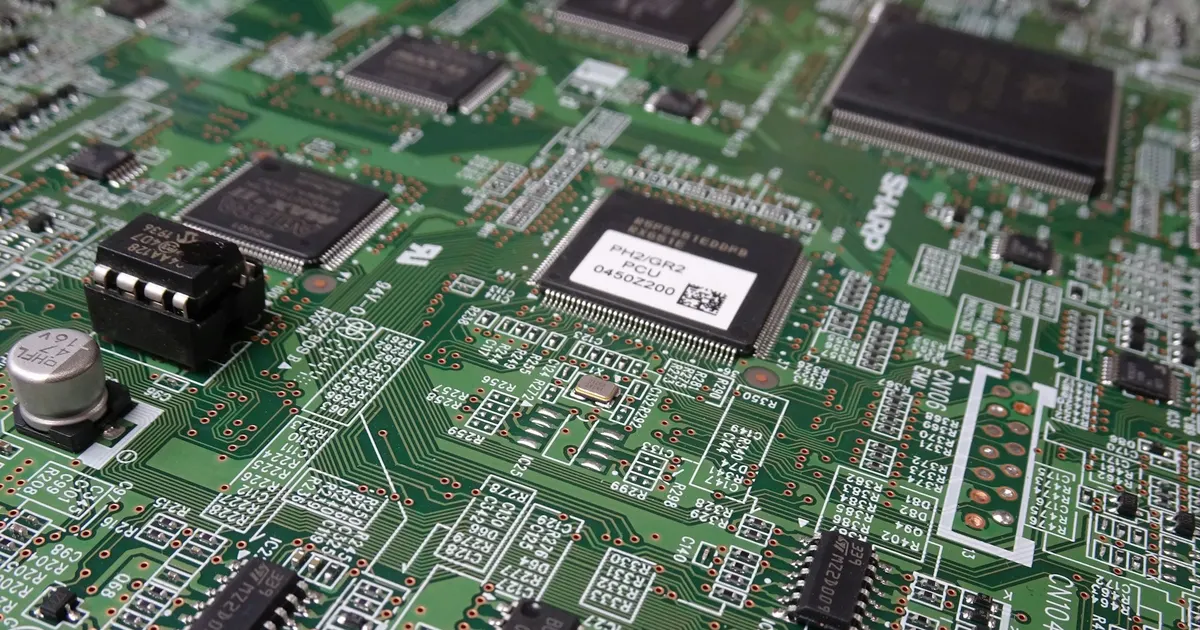
Start the manufacturing review earlier than the DRC
A clean design-rule check does not mean a board is ready to build. CAD is good at nets and geometry. A manufacturing review also has to account for material, process route, and how the board will be assembled.
Read this first State the requirement, keep one version, and settle open questions before the board is released to build.
Agree the constraints that will not move before layout is deep. Dense boards, mixed copper weights, and odd-form parts are the jobs that pay for an early look from fabrication and assembly.
Four checks before you send files
Confirm that the outline, the stackup, and the copper layers describe the same board. Then check how the drill file states finished hole size, so two different dimensions are not treated as one.
Look at solder-mask openings and legend against the pads, and confirm that parts near the edge, rails, and fiducials fit the assembly process. Dimensions for a real job come from that job's review.
Make every file the same revision
Gerber, drill, assembly drawing, and BOM should come from one release. Put the revision and what changed in the files, not only in a chat thread.
For polarized parts, mark pin 1 and the reference direction on the assembly drawing, and check them against the centroid file.
Turn the review into a list you can reuse
Write each finding down as a check, with an owner and how it was confirmed. The next release should start from that list, not from memory.
This article is sample copy for the layout. It is not a process specification. A real build follows the review for that design.
Sample copy for the layout. This is not a published guide and it is not a process specification.
Related articles
PCBA assembly
Manufacturer part numbers, approved alternates, and the notes purchasing needs — written once, in the file.
PCB design
Return path, power distribution, and how dense the placement is — the tradeoffs behind the layer count.
Fabrication
Pad geometry, how the board is assembled, and where it will live — the inputs that pick a finish.