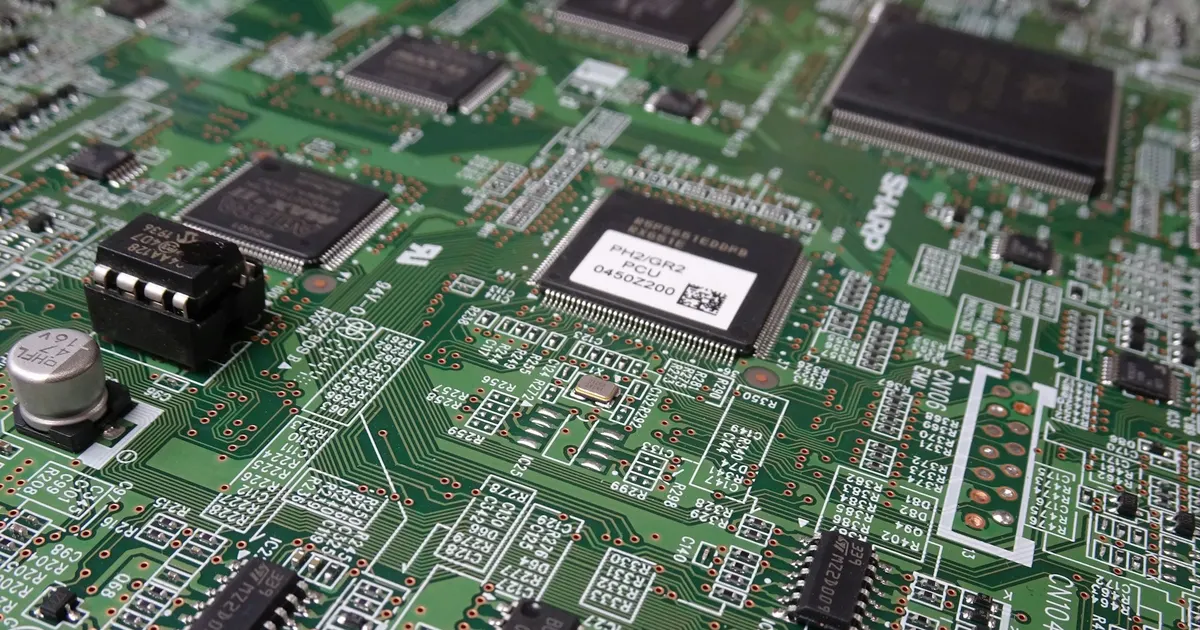
Four layers or six? Answer these questions first
Return path, power distribution, and how dense the placement is — the tradeoffs behind the layer count.

Start from the constraints that are actually fixed
Return path, power distribution, and how dense the placement is — the tradeoffs behind the layer count.
Board size, assembly method, and delivery terms differ on every job. Write the constraints down before debating options, so engineering and purchasing are looking at the same problem.
Put the review pack in one place
Use the latest design files, and mark the revision, the requirements that are settled, and the questions that are still open. If a note can be read two ways, add a sentence or a callout. Do not rely on the file name.
Keep supplier and factory feedback in that same pack, and check that every change landed in every file you will send.
Leave a record of what was agreed
After the review, keep the revision and the items that were confirmed. Before the next edit or a production release, check that those agreements still hold.
This article is sample copy for the layout. Process requirements for a real build come from that project's review, not from this page.
Sample copy for the layout. This is not a published guide and it is not a process specification.
Related articles
PCB design
Leave manufacturing questions in the design phase. Board edge, hole wall, solder mask, and panelization are the items worth confirming before a build.
PCBA assembly
Manufacturer part numbers, approved alternates, and the notes purchasing needs — written once, in the file.
Fabrication
Pad geometry, how the board is assembled, and where it will live — the inputs that pick a finish.